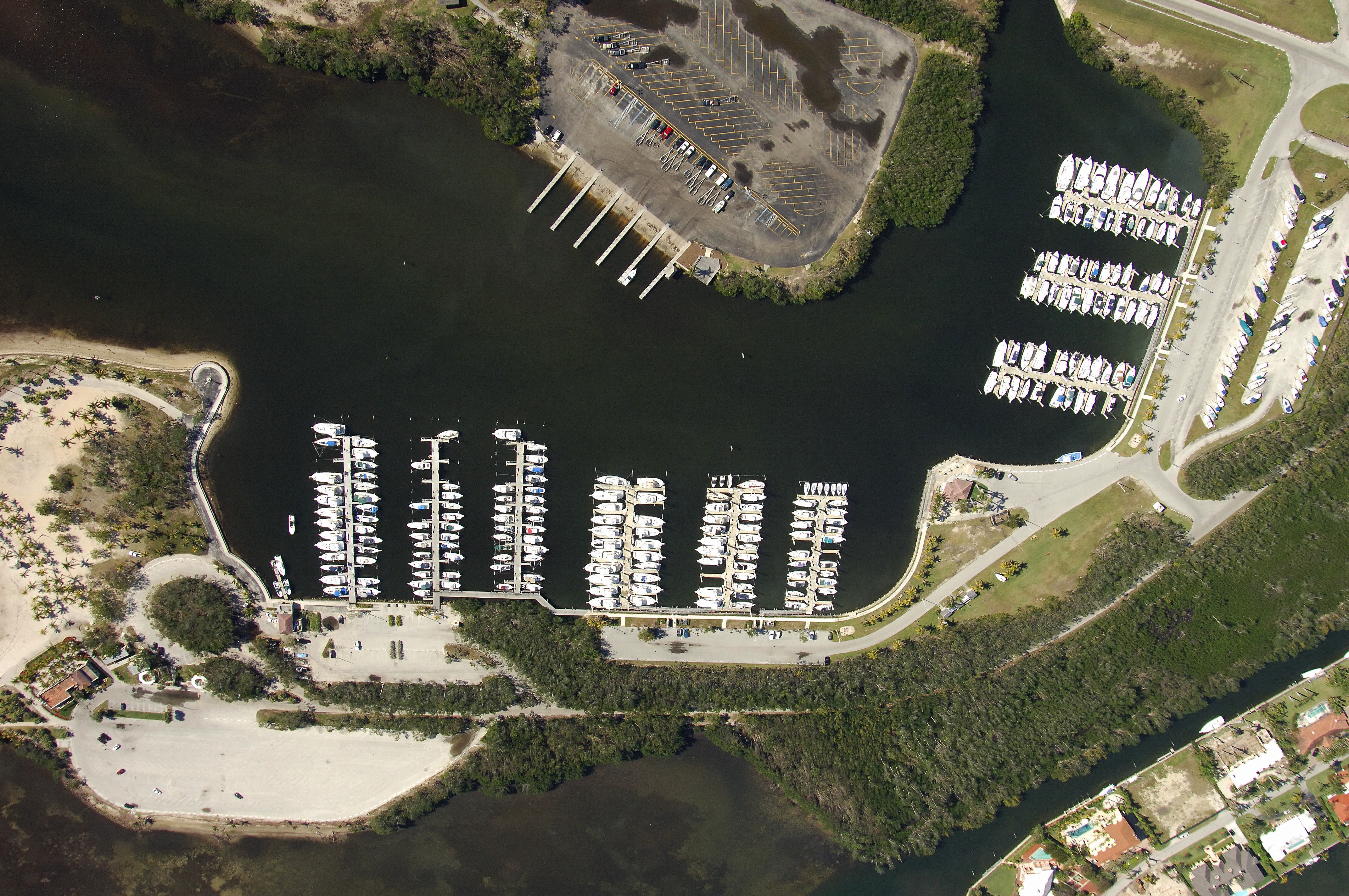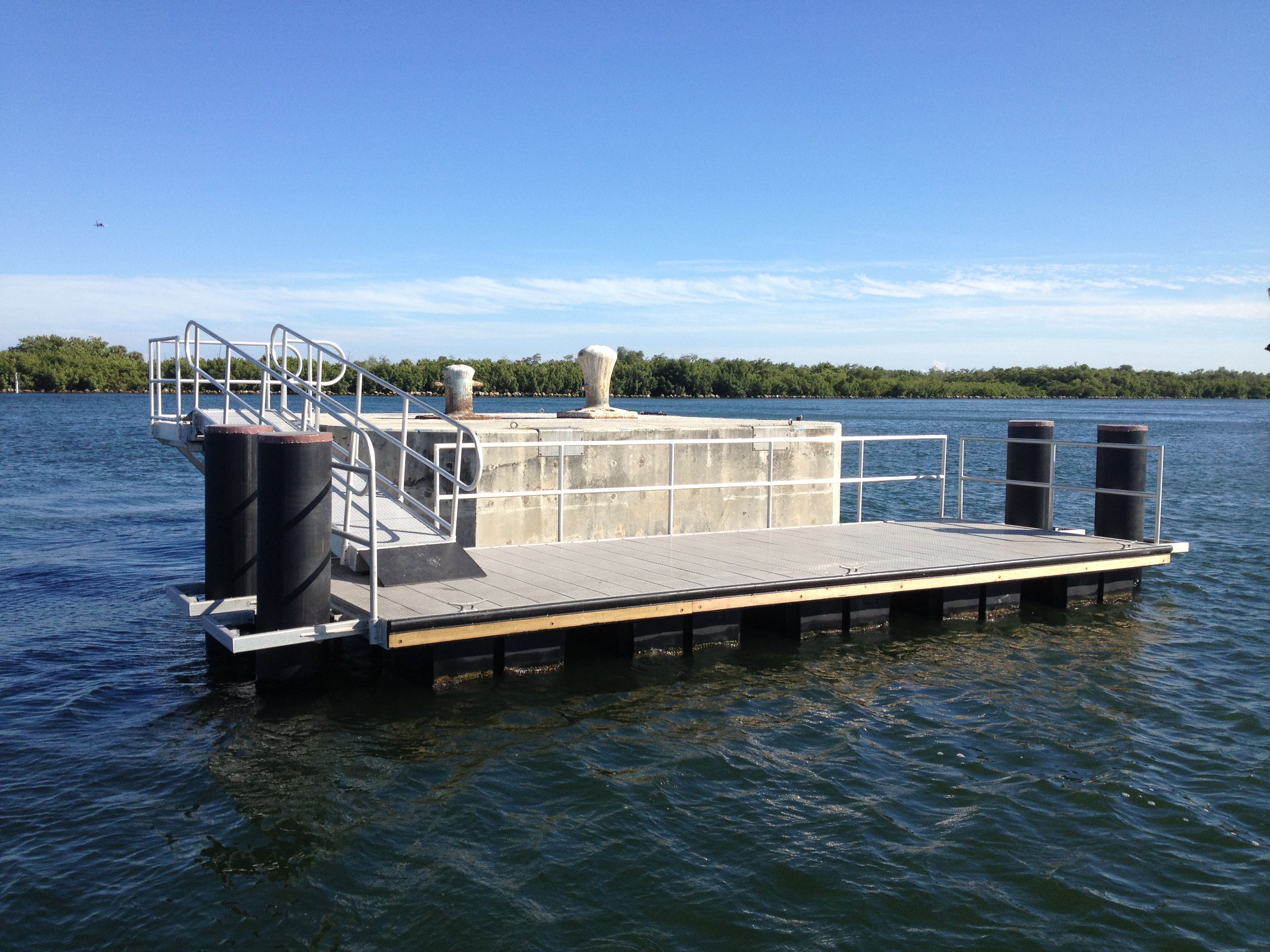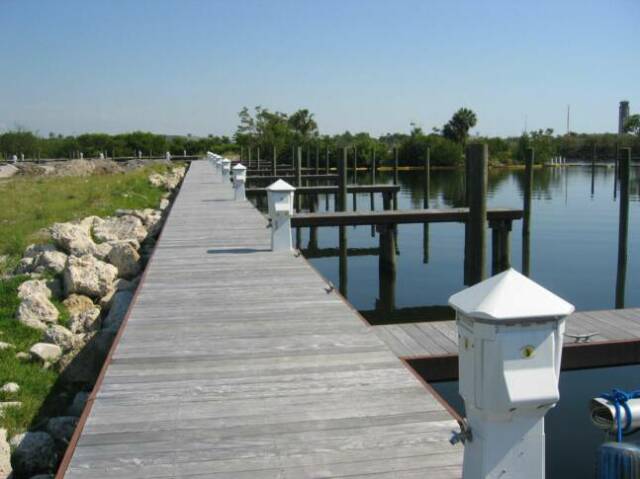
Docks in Florida must do more than provide a place to tie up a boat—they must balance navigation, environmental protection, structural performance, and a complex permitting landscape. For homeowners, contractors, and local governments, partnering with an experienced civil engineering firm like Giralt Enterprises is key to delivering docks that are safe, resilient, and compliant with state and local requirements.
The Regulatory Landscape Florida docks are typically regulated by a combination of the Florida Department of Environmental Protection (FDEP), the U.S. Army Corps of Engineers, and local governments or special districts. Projects may need environmental resource permits, federal authorizations, and county or municipal building permits, especially when located over sovereign submerged lands or in areas with sensitive resources such as seagrass, mangroves, or marsh.
Many jurisdictions limit how far a dock may extend into a waterbody, often using criteria like “no more than 500 feet waterward of mean high water or 20 percent of the waterbody width, whichever is less.” Setbacks from property lines and riparian rights are also common; access walkways may be limited to narrow widths—often around 4 feet—to minimize shading and impacts on vegetation below. Local guidelines can add further constraints, including maximum deck areas, height above mean water levels, and restrictions on electrical service.
Environmental Considerations State and federal agencies prioritize minimizing impacts to submerged aquatic vegetation (SAV), wetlands, and shoreline habitats. This often drives requirements for elevated access walkways, grating or spaced deck boards to allow light penetration, and selective alignment to avoid seagrass and mangrove areas. In some locations, “minor” pile-supported structures must meet specific limits on deck area and configuration, such as narrow, linear platforms with strict height and spacing criteria.
Engineered solutions can integrate ecological enhancements like fish-friendly pilings, living shoreline treatments near dock abutments, and careful pile placement to minimize habitat disturbance. Giralt Enterprises incorporates these considerations early in design to streamline permitting and support long-term ecosystem health alongside coastal access.
Structural Design and Materials Florida docks must withstand combinations of dead load, live load (people, small vehicles, equipment), wave and current forces, boat impact, and wind loads from tropical storms and hurricanes. Pile sizing and embedment are dictated by geotechnical conditions, water depth, and design loads, often using driven timber, concrete, or composite piles depending on the site context and budget.
Decking and framing materials commonly include pressure-treated lumber, composite planks, or modular floating dock sections, all fastened with galvanized, stainless, or otherwise corrosion-resistant hardware. In many Florida districts, guidelines require that wood docks use pressure-treated lumber and corrosion-resistant hardware to ensure durability in a humid, often brackish environment. Where docks are subject to significant tidal ranges or boat wake energy, fender systems, robust connections, and lateral bracing become especially important.
Example Dimensional Criteria While exact criteria vary by jurisdiction, several Florida guidelines illustrate typical limits:
Single-family docks may be restricted to one dock per lot, with maximum widths (for example, 20 feet) and overall deck areas (for example, 200 square feet) to preserve navigation and aesthetics.
Fixed docks may be required to maintain a minimum height—often several feet—above control elevation to allow for fluctuating water levels and to protect vegetation.
Deck planking in resource protection areas may be limited in width and must be spaced to promote light penetration for submerged vegetation.
Giralt Enterprises verifies all applicable local standards for each site, rather than relying on generic “rule-of-thumb” dimensions, to ensure each dock is both compliant and optimized for user needs.
Permitting and Documentation Counties like Charlotte County explicitly require signed and sealed construction drawings, site plans showing property lines and dock layout, and evidence of external approvals from agencies such as FDEP and the U.S. Army Corps of Engineers before issuing dock permits. Owners may also need notices of commencement and contractor documentation once construction values exceed certain thresholds. Giralt Enterprises prepares the necessary engineering drawings, calculations, and narrative support for permit applications, coordinating with surveyors and environmental consultants where needed. This integrated approach reduces back-and-forth with regulatory agencies, helping projects move from concept to construction more efficiently.
How Giralt Enterprises Adds Value For waterfront homeowners, marinas, and municipalities, Giralt Enterprises offers end-to-end dock engineering—from feasibility assessments and layout alternatives through detailed structural design and permitting support. The firm’s Florida-focused experience helps identify potential regulatory hurdles early, integrate environmental and navigational constraints into the design, and select materials and connection details that perform in the state’s harsh marine climate.